
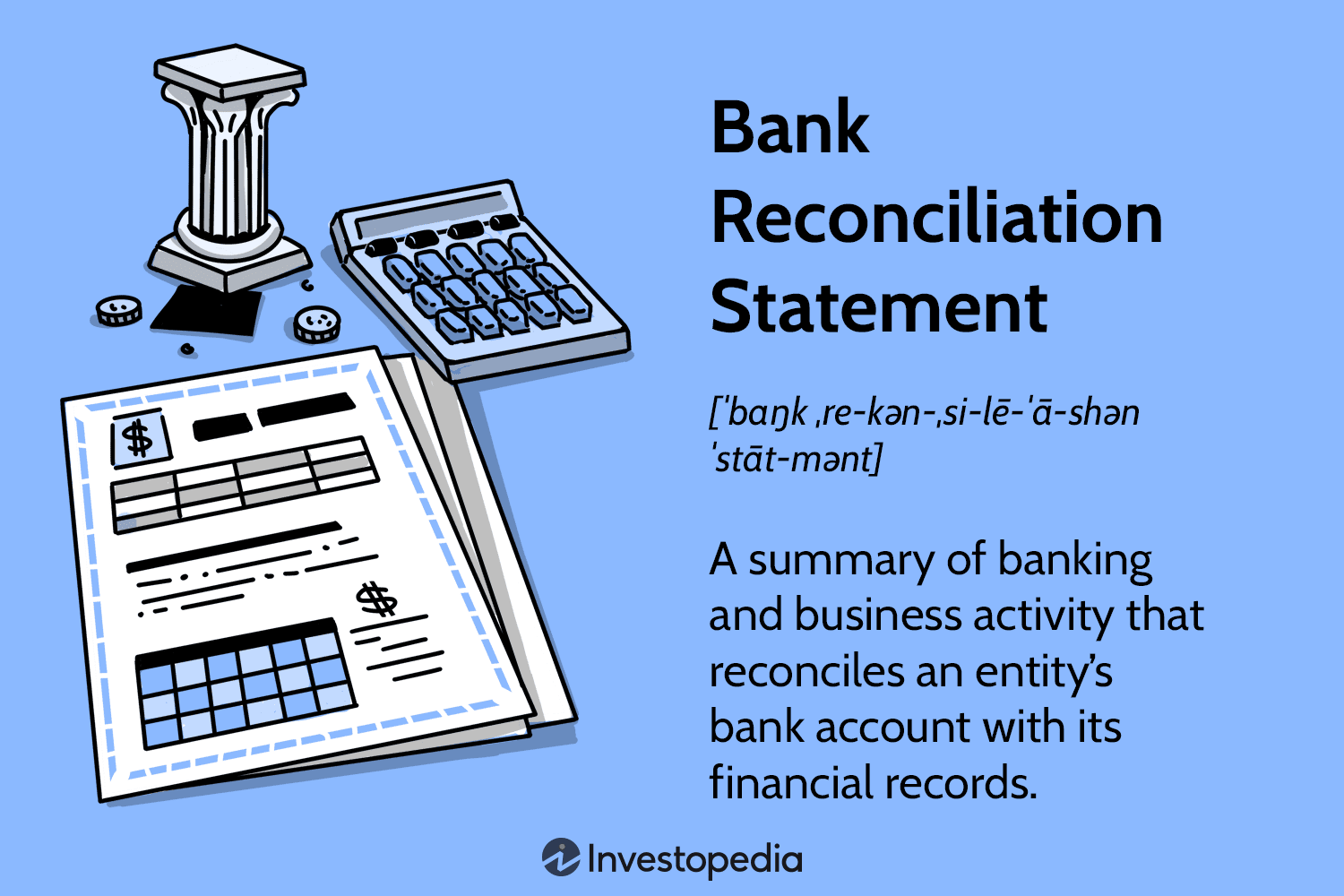
Bank reconciliation is the process of comparing a business’s internal financial records (like a cash book) with its bank statement to identify and correct discrepancies, ensuring that the cash balance in both records matches. This accounting task is vital for verifying financial accuracy, detecting errors or fraud, maintaining accurate financial reports, and effectively managing cash flow.
FACTORS THAT CAUSE A DIFFERENCE IN BALANCE OF CASH BOOK AND BANK STATEMENT
Unpresented cheques: in a bank reconciliation, an unpresented cheque is a cheque that a company has issued and recorded in its cash book, but which the payee has not yet presented to the bank for payment and clearance. To adjust for these cheques during the reconciliation process, the total value of these unpresented cheques is subtracted from the bank statement balance to arrive at the true, reconciled cash balance.
Uncredited cheques: inbank reconciliation, an uncredited cheque, also known as an outstanding lodgment or deposit in transit, is a cheque or deposit that a business has received and recorded in its books but the bank has not yet processed and officially credited to the business’s account. These items appear in the business’s cash book but not on the bank statement, and they add to the bank statement’s balance to reconcile the account, representing funds already received by the business.
Standing order: In a bank reconciliation, a standing order is treated as a known, recurring outgoing payment initiated by the account holder, which appears on the bank statement but may not be recorded in the company’s internal cash book until after the statement is generated. During the reconciliation process, the amount of the standing order shown on the bank statement is confirmed and matched against the cash book, allowing for automatic reconciliation in future periods if the payment amount and frequency remain the same.
Credit Transfer: In bank reconciliation, a credit transfer refers to funds being received into a company’s bank account from a third party, increasing the account balance. For example, customer payments received via electronic funds transfer (EFT) appear as a credit on the bank statement and must be accounted for when reconciling it with the company’s cash book.
Bank charges: In a bank reconciliation, bank charges are automatically deducted by the bank and appear on the bank statement but not in the company’s books. When preparing a bank reconciliation, these charges are treated as a deduction from the cash balance reported on the cash book side to reflect the actual reduced cash balance and are formally recorded in the general ledger by debiting a bank charges expense account and crediting the cash account.
Wrong debit: It’s a situation where an amount was incorrectly debited (deducted) from the company’s bank account, causing the balance on the bank statement to differ from the company’s internal cash book. Wrong credit: A “wrong debit in bank reconciliation” refers to an incorrect withdrawal amount by the bank from your account, requiring a correction in your reconciliation process. You should contact your bank to understand the error and confirm any reversal or adjustment they will make. For reconciliation, you will need to account for this error by adjusting your cash book or adding a line item to the bank reconciliation statement itself to reflect the error and its correction.
Dishonored cheques: A dishonored cheque is a cheque that the bank refuses to pay because of insufficient funds or other reasons.
Errors:Errors in bank reconciliation stem from company errors, bank errors, or timing differences. Common company errors include data entry mistakes, unrecorded transactions, duplicate entries, and fraudulent activity. Bank errors are mistakes like misposted amounts or incorrect withdrawals. Timing differences are when transactions like outstanding checks or deposits in transit are recorded at different times by the company and the bank.
References: www.google.com,Jackson State university, wallester, tothefinance.com