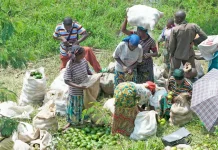


The term “basement of the economy” can be interpreted as the fundamental challenges and weaknesses hindering Africa’s economic development, including political instability, high debt, digital divides, dependence on commodities, inadequate infrastructure, vulnerability to climate change, and a high poverty rate. Despite recent growth, these interconnected issues prevent poverty reduction, job creation, and sustainable development across the continent. Addressing these challenges requires comprehensive reforms focused on governance, infrastructure, education, and regional trade to unlock Africa’s vast untapped potential.
Key Vulnerabilities and Weaknesses
- Political Instability and Weak Governance:Coups, governance challenges, and weakened democratic institutions create uncertainty and hinder investment.
- Economic & Financial Strain:High debt levels, trade imbalances, and inflation burden governments, with interest payments consuming significant portions of revenue.
- Inadequate Infrastructure & Trade:Poor infrastructure, particularly in transportation and logistics, increases costs and delays trade, while complex trade regimes and tariffs impede regional integration.
- Dependence on Commodities:Many economies rely heavily on commodity exports, which are vulnerable to global price fluctuations, limiting diversification and industrialization.
- Digital Divide:A significant gap exists in digital access and preparedness for technological disruptions, hindering innovation and broader economic participation.
- Climate Vulnerability:Reliance on climate-sensitive agriculture makes the continent highly susceptible to extreme weather events, impacting livelihoods and causing significant damages.
- Learning Poverty & Education Gaps:A substantial portion of African children face learning poverty, limiting their future contributions to the economy and overall growth.
Untapped Potential & Paths Forward
- Demographic Dividend:Africa’s young and growing population, with a large youth population, presents a significant opportunity for economic growth if provided with proper education and skills.
- Regional Integration:Policies promoting regional integration and the elimination of trade barriers could help countries overcome market size limitations and achieve economies of scale.
- Diversification:Investing in sectors like agro-processing, manufacturing, and the blue economy could create new sources of value and reduce reliance on commodities.
- Improved Governance & Investment:Implementing reforms focused on transparency, accountability, and clear market rules can attract investment and increase the efficiency of government spending.
- Domestic Resource Mobilization:There is significant potential to mobilize more domestic resources to finance development and reduce dependence on external financing.