IAS 2: Inventories
1. Objective
The objective of IAS 2 is to prescribe the accounting treatment for inventories. It provides guidance for determining the cost of inventories and for subsequently recognising an expense, including any write down to net realisable value. It also provides guidance on the cost formulas that are used to assign costs to inventories.
2. Scope
IAS 2 applies to all inventories other than
Financial instruments (IAS 39)
Biological assets (IAS 41)
3. Key definitions
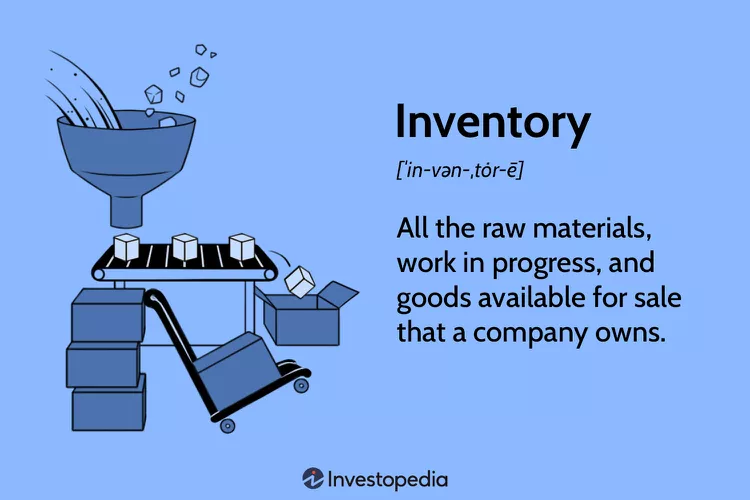
Inventories include
Finished goods (assets held for sale in normal course of business)
Work in process (assets in production process for sale in the ordinary course of business)
Raw materials (materials and supplies that are consumed in production)
4. Net Realisable Value
The estimated selling price in the normal course of business less estimated cost of completion and estimated cost of disposal.
5. Measurement of Inventories
Inventories are required to be stated at the lower of cost and NRV (Net Realisable Value).
6. Cost of Inventories
Cost should include all:
Costs of purchase (including taxes, transport and handling) net of trade discount received.
Costs of conversion (including fixed and variable manufacturing overheads) and
Other costs incurred in bringing the inventories to their present location and condition.
ACCA FR (F7): Financial Reporting By: Zya Rana 2 https://www.facebook.com/zya.rana
7. Cost of conversion of inventory
Cost of conversion of inventory includes costs directly attributable to the unit production for example direct labor. The allocation of overhead to the cost of inventory is based on the normal capacity of the facility.
8. Excluded costs form inventory valuation
Inventory costs should not include:
Abnormal waste
Storage costs
Selling costs
Administrative overheads unrelated to production
Interest cost when inventories are purchased with deferred settlement terms
Foreign exchange differences arising directly on the recent acquisition of inventories invoiced in a foreign currency.
9. Methods for the Inventory Valuation:
FIFO (First In, First Out) Heterogeneous Nature Inventory Separately Identifiable AVCO (Weighted Average) Homogeneous Nature Inventory Cannot be Separately Identifiable
10. Systems for Valuation:
Perpetual System Continuous System Periodic System
11. Inventory should be recorded at Lowe of:
– Total Cost
– NRV (Net Realizable Value)
| NRV = Estimated Selling Price – Estimated Cost to Sell |